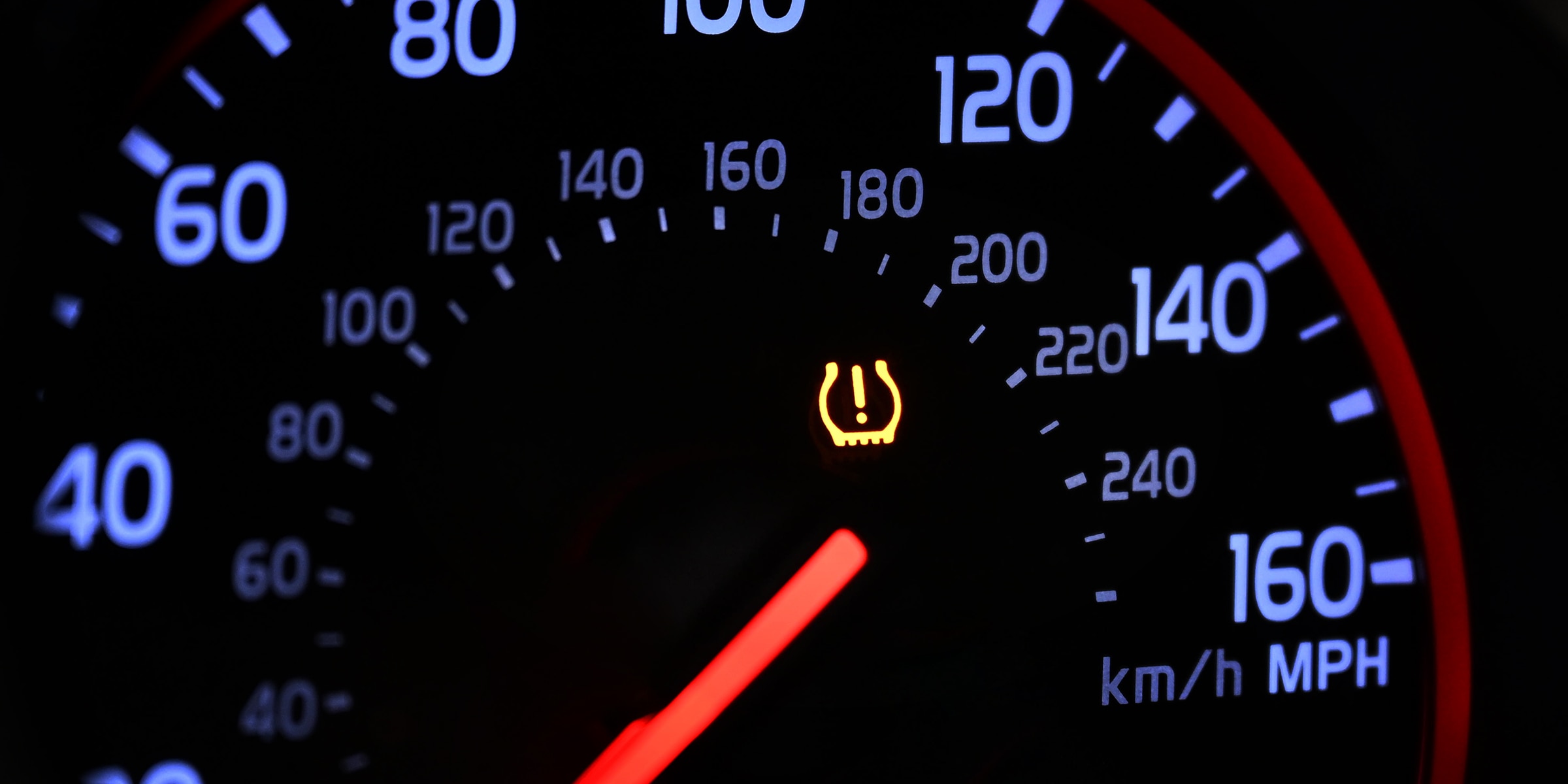
That little yellow tire pressure light has a way of showing up at the worst possible time.
You're already running late for work. You're halfway through a road trip. Maybe it's the first cold morning of the year. Suddenly, there's a warning light glowing on the dashboard, and you're wondering whether it's safe to keep driving.
Prevention is the best option to minimize the risk of underinflated tires, but when you see that TPMS light come on, the first step is not to panic. The second step is to tackle this common warning head-on, step by step.
Step 0: Prevention
Your best bet is to check your tire pressures monthly at a minimum. TPMS lights aren't required to turn on until the tire is 25% underinflated, at which point, you're already losing gas mileage, wet traction, resistance to damage, and tread life.
For cold weather regions or as the seasons change towards winter, make sure you keep a closer eye on your tires; this is generally the most common period of the year where regular tire pressure swings are noticed. Prevention is important as driving underinflated tires increases the risk of damage, ultimately risking the safety of your tires.
Step 1: Check Your Tire Pressure First
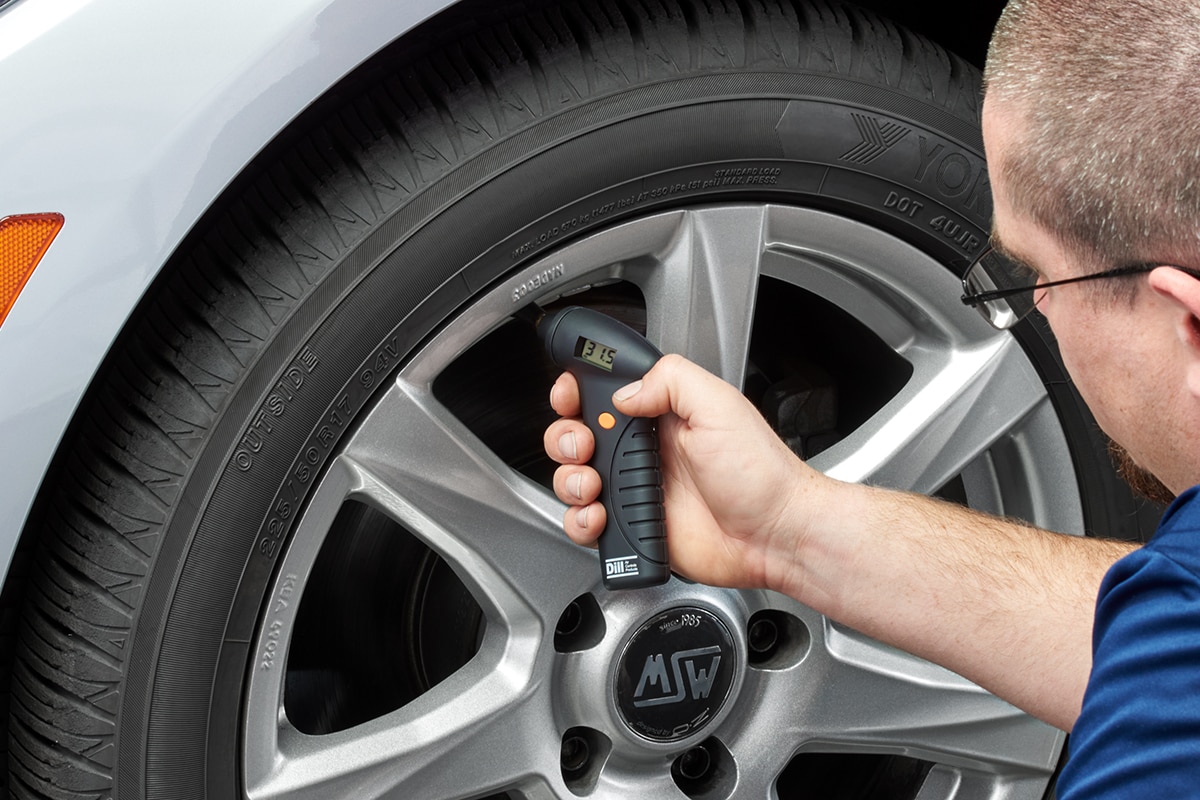
The first step is to understand which tires are low and just how low they are. It's time to grab your trusty tire gauge.
That annoying warning light isn't telling you which tire is low or why it's low, it's simply telling you that at least one tire has fallen below the pressure your vehicle was designed to operate with.
Start by checking all four tires while they're cold. Even if one tire looks low, don't skip the others. Tire pressure naturally changes with temperature, and it's common for multiple tires to lose pressure at the same time after a cold front moves through. Tires lose about 1 PSI for every 10-degree drop in outside temperature. That's why TPMS lights seem to appear overnight every fall and winter. Air pressure also tends to change over time and can be affected by changes in altitude.
If one tire is noticeably lower than the rest, that's the first clue you may have a slow leak, and it warrants further investigation. A nail, screw, damaged valve stem, or corrosion around the wheel can all allow air to escape gradually over time.
First off, do not use the pressure molded into the tire's sidewall.
That number is the tire's maximum allowable cold inflation pressure, not the pressure your vehicle should be running every day. If you inflate your tires to the sidewall number, and you could end up with a harsher ride, reduced traction, uneven tread wear, or even a tire blowout.
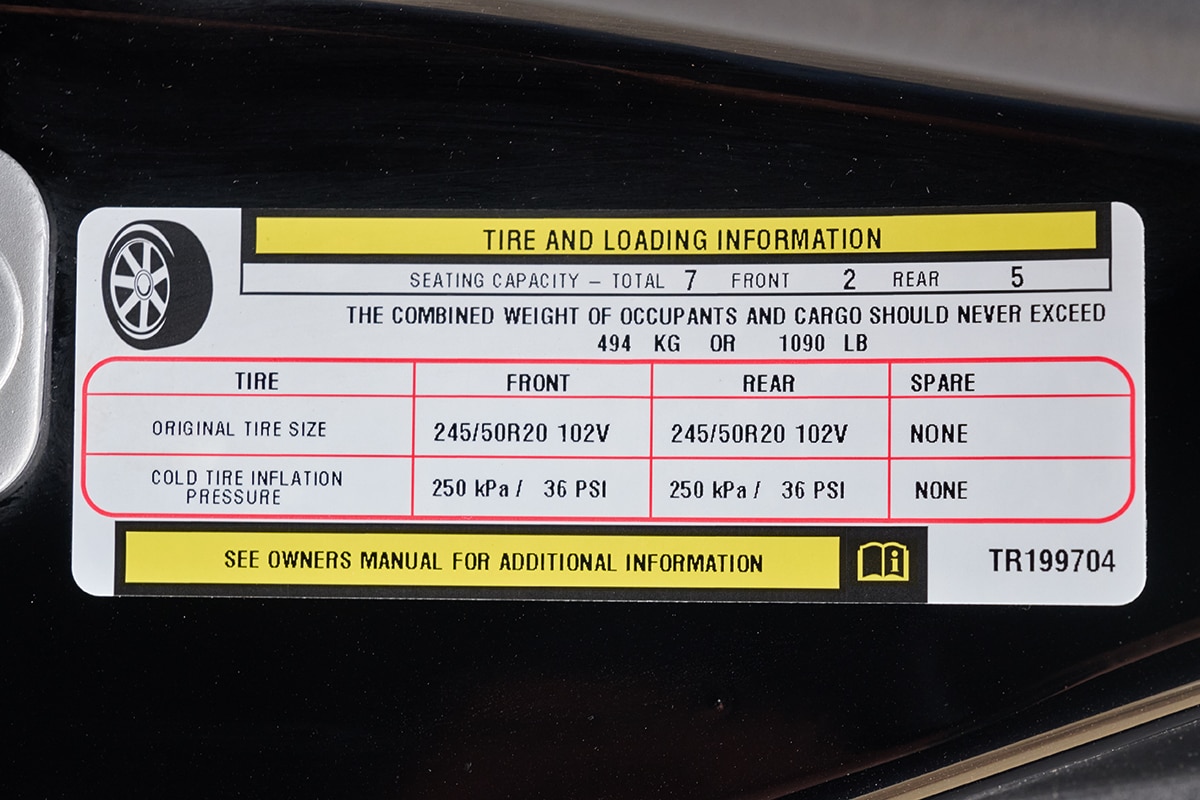
Instead, open the driver's door and locate the tire information placard on the door jamb, which
lists the recommended cold tire pressure for your specific vehicle. Engineers determine those numbers after considering the vehicle's weight, suspension tuning, handling characteristics, and load capacity.
Even two vehicles with the exact same tire size may require completely different pressures.
Just remember, when in doubt, trust the sticker, not the sidewall.
Step 3: Let the TPMS Reset
Once you've inflated the tires correctly, the warning light may not disappear immediately.
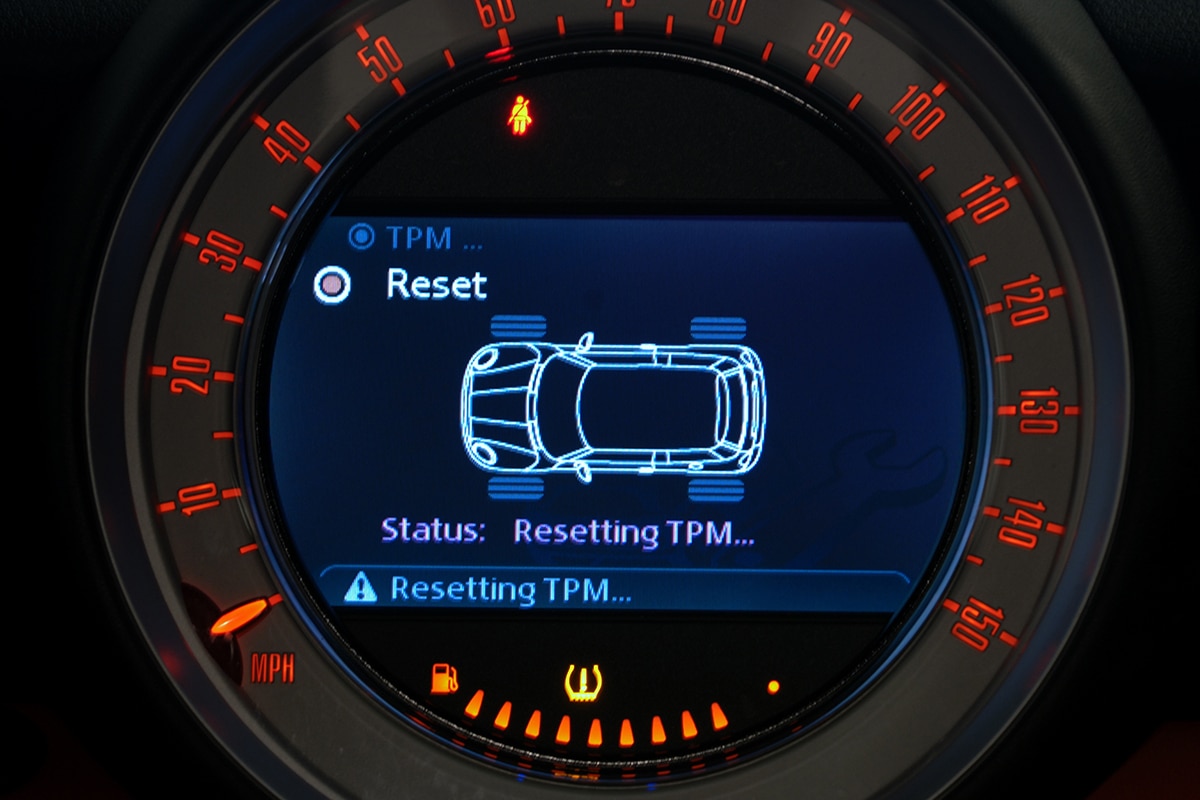
Many vehicles automatically reset the Tire Pressure Monitoring System after you've driven around the parking lot, some might take a few miles, while others require a manual reset using a dashboard menu or a dedicated TPMS reset button.
If you're unsure how your vehicle works, your owner's manual will outline the correct procedure.
Once you have confirmed the tire pressures are correct and the warning light still refuses to turn off after driving, it's time to investigate a little further.
Other possible issues could include faulty TPMS sensors or a larger issue with the on-board diagnostic system.
What Is TPMS?
TPMS stands for Tire Pressure Monitoring System.
Every modern passenger vehicle sold in the United States uses some form of TPMS to monitor tire pressure.
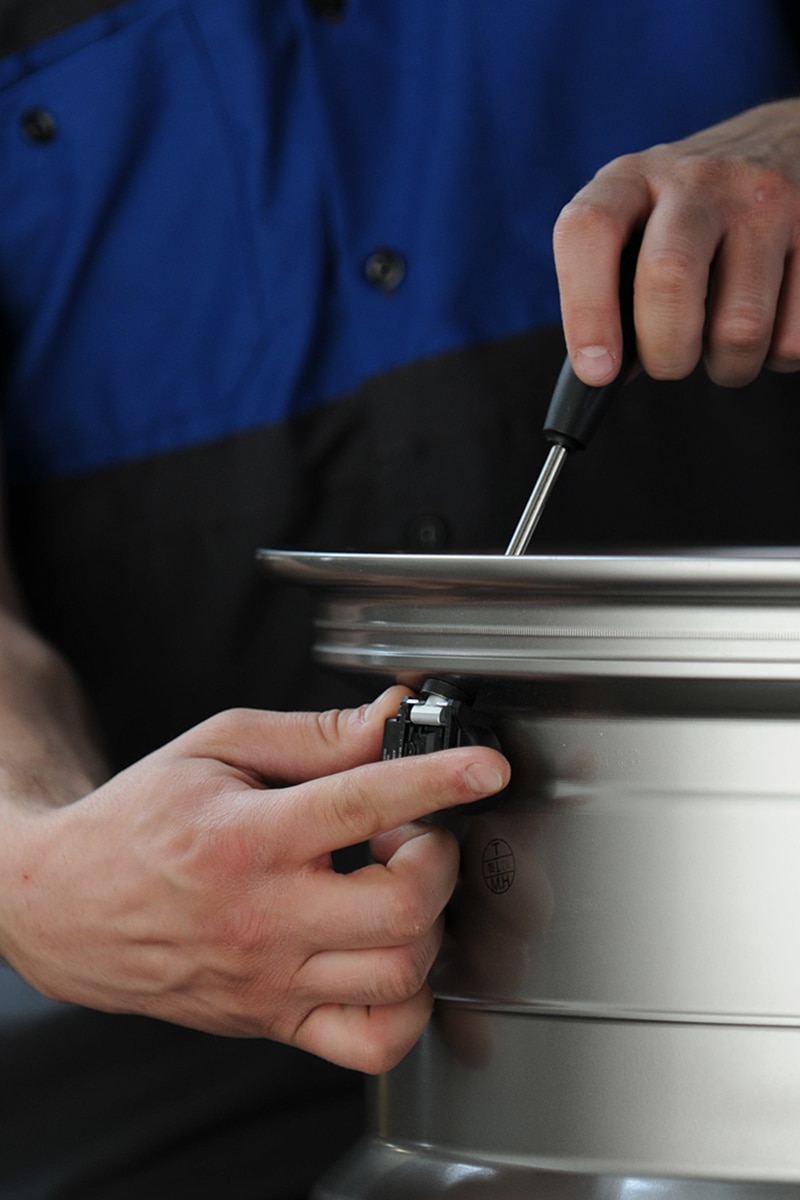
Direct sensors: Small electronic sensors inside each wheel constantly measure air pressure and communicate with your vehicle's computer.
Indirect sensors: These systems use your vehicles' ABS sensors to compare the rotational speed of one tire compared to the others, but often don't identify exactly which tire is losing pressure.
When one or more tires fall below the manufacturer's recommended pressure, the system turns on the warning light to let you know something needs attention.
It's an excellent safety feature, but it's important to understand what it can and can't do. TPMS tells you that a tire is low, but it doesn't tell you why.
Why Did My Tire Pressure Light Come On?
Most of the time, your TPMS is doing exactly what it was designed to do.
A common cause of activation is simply a change in temperature. As the weather gets colder, the air inside your tires contracts, lowering the pressure enough to trigger the warning light. If the light comes on after the first cold morning of the season and all four tires are just a few PSI low, you've probably found your answer.
If one tire keeps losing pressure after you've filled it, that's a different story. Common causes include:
A nail or screw in the tread
A leaking valve stem
Corrosion where the tire seals against the wheel
Wheel damage from potholes or curbs
Here's a good rule from the service bay. If you keep adding air to the same tire every couple of weeks, don't ignore it. Tires don't normally lose pressure that quickly. Finding a small puncture today is usually much cheaper than having to replace a damaged tire later.
When Should You See a Professional?
If you've inflated all four tires to the correct pressure, driven the vehicle, and the warning light remains on, it's worth having the system inspected.
A technician can quickly determine whether the issue is a failing TPMS sensor, a sensor that
needs to be relearned after a tire rotation, or a slow leak that's difficult to spot. Likewise, if your tire pressure warning light begins flashing before remaining illuminated, many manufacturers use that sequence to indicate a TPMS fault rather than low tire pressure.
Ignoring the warning won't make it go away, and driving for extended periods on underinflated tires can accelerate tread wear, reduce fuel economy, and increase stopping distances.
Worse yet, you could end up on the side of a busy highway with a blown-out tire because you ignored the warning. Don't be that person; take the obvious warning seriously.
Tire Pressure Frequently Asked Questions
Why is my tire pressure light still on after filling my tires?
First, make sure every tire has been inflated to the pressure listed on the driver's door-jamb placard, not the maximum pressure shown on the tire sidewall. Some vehicles also require a short drive or a manual TPMS reset before the light turns off. If it remains on, you may have a faulty sensor or a slow leak.
What does TPMS mean on a car?
On a car, TPMS refers to the Tire Pressure Monitoring System. In theory, its purpose is to warn you when tire pressure becomes too low so you can correct the problem, but damage to your tire is possible before the light comes on which can affect handling, braking, tire wear, or safety.
How do you reset a tire pressure light?
Many vehicles automatically reset the TPMS after the tires are inflated correctly and the vehicle has been driven for several minutes. Others require a reset through the infotainment system or a dedicated TPMS reset button. Your owner's manual will explain the procedure for your specific vehicle.
Keep Your Tires Performing Their Best
A tire pressure warning light doesn't always mean you have a flat tire, but it should never be ignored. A few minutes spent checking your tire pressure can improve handling, extend tread life, increase fuel economy, and help your vehicle perform exactly as its engineers intended.
Before placing your order, be sure to check the latest Tire Rack Special Offers for potential savings on your next set of tires. For additional peace of mind, learn more about Road Hazard Protection and how it can help protect your tire investment.
With over 10,000 approved and trusted installers across America, you’re in excellent hands.
World-Class Customer Care
Need help? You’ll reach a U.S.-based team whose expert guidance helps drive Tire Rack’s Net Promoter Score of 86.5*, well above the 80+ benchmark for “world‑class.”
*May 2026
Revolutionizing Tire Buying Since 1979
From our first location to launching nationwide mail order to creating TireRack.com, we believe in bringing you The Way Tire Buying Should Be.™
Independent Tire Testing Program
We test tires on the road and on our specially designed track to simulate real-world dry and wet conditions. Independent, unbiased results to help inform your choice.
Real Drivers. Real Miles. Real Talk.
Tire Rack verified customer reviews come backed by over 3.4 billion real-world miles.
Need help choosing the right products for your vehicle? Our US-based team of highly trained experts has the knowledge and passion to help. Just pick up the phone and give us a ring. Or let's chat via email. We love solving problems and lending a hand (or an ear).

 Orders