When life gets busy in the spring, the last thing you want to do is take the time to swap out your winter tires for a set of proper all-season or summer tires.
Tempting as that may be, can you just keep your snow tires on year-round to avoid the hassle and expense of swapping to a more seasonal tire? Aren't modern tires incredibly flexible across a wide range of weather conditions and temperatures?
Tire Rack testing shows that winter tires remain remarkably effective in cold weather, but that same technology comes with compromises when temperatures start climbing.
What's The Difference Between Summer and Winter Tires?
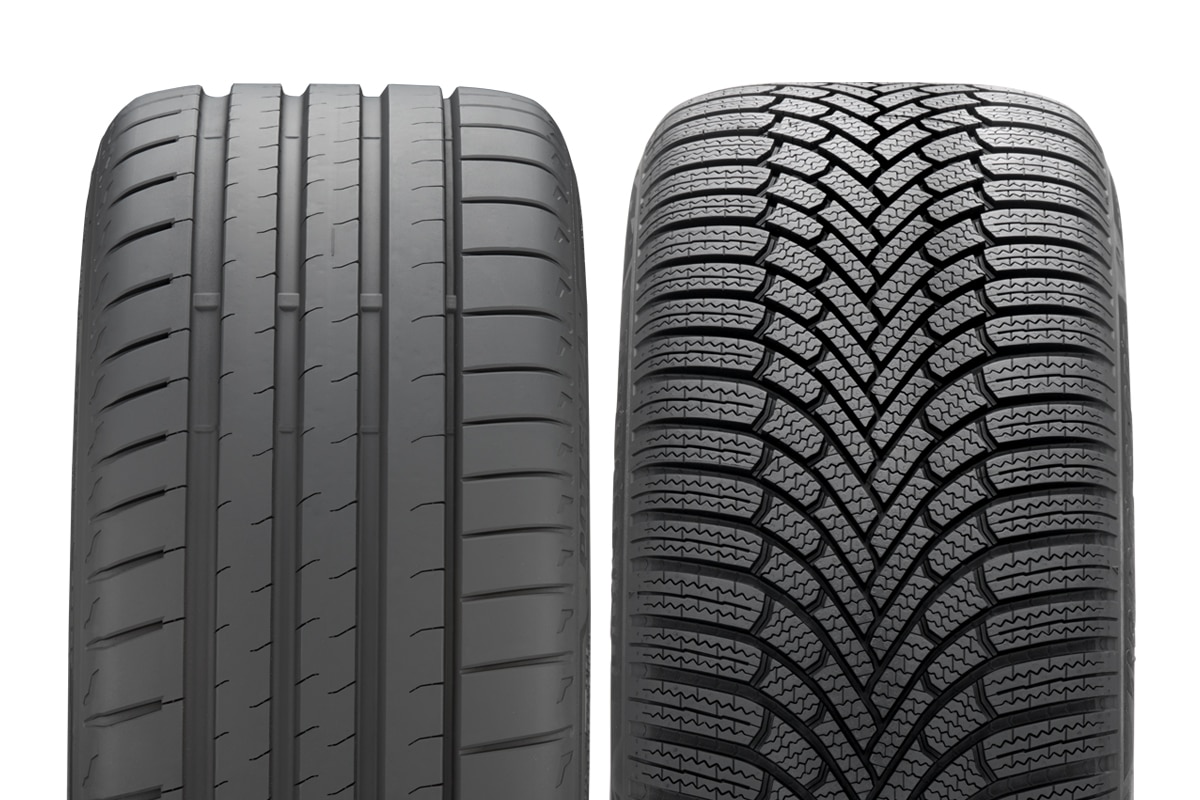
Winter and summer tires represent two ends of the all-season spectrum.
Summer tires are designed to maximize grip, handling, and braking performance in warm weather, using specialized rubber compounds that stay firm and responsive when temperatures rise. Our recent Performance Summer Tire Test revealed that summer tires, under the right conditions, deliver serious results for drivers looking to maximize fun behind the wheel.
To set the record straight, we talked to Woody Rogers, our SVP of Tire Testing and Information and a veteran of the tire industry for over 25 years, to gauge his expertise on summer and winter tires and their intended use.
"A summer tire is optimized for the warmth of summer. Its tread compound, tread pattern, and even its tread depth is more aligned with the conditions that you'll face during the summer months. That's what makes them specialists in warm seasons of the year."
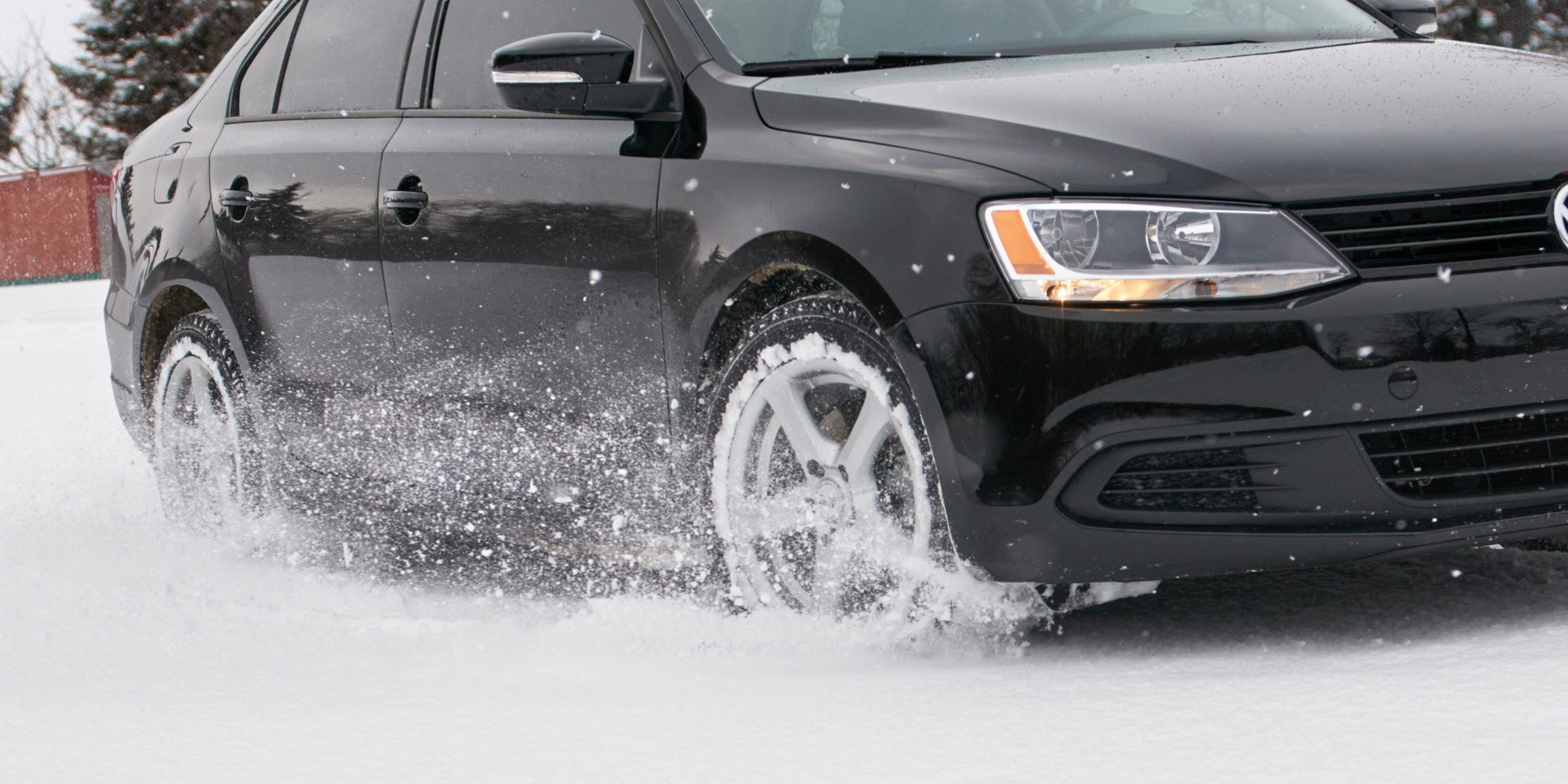
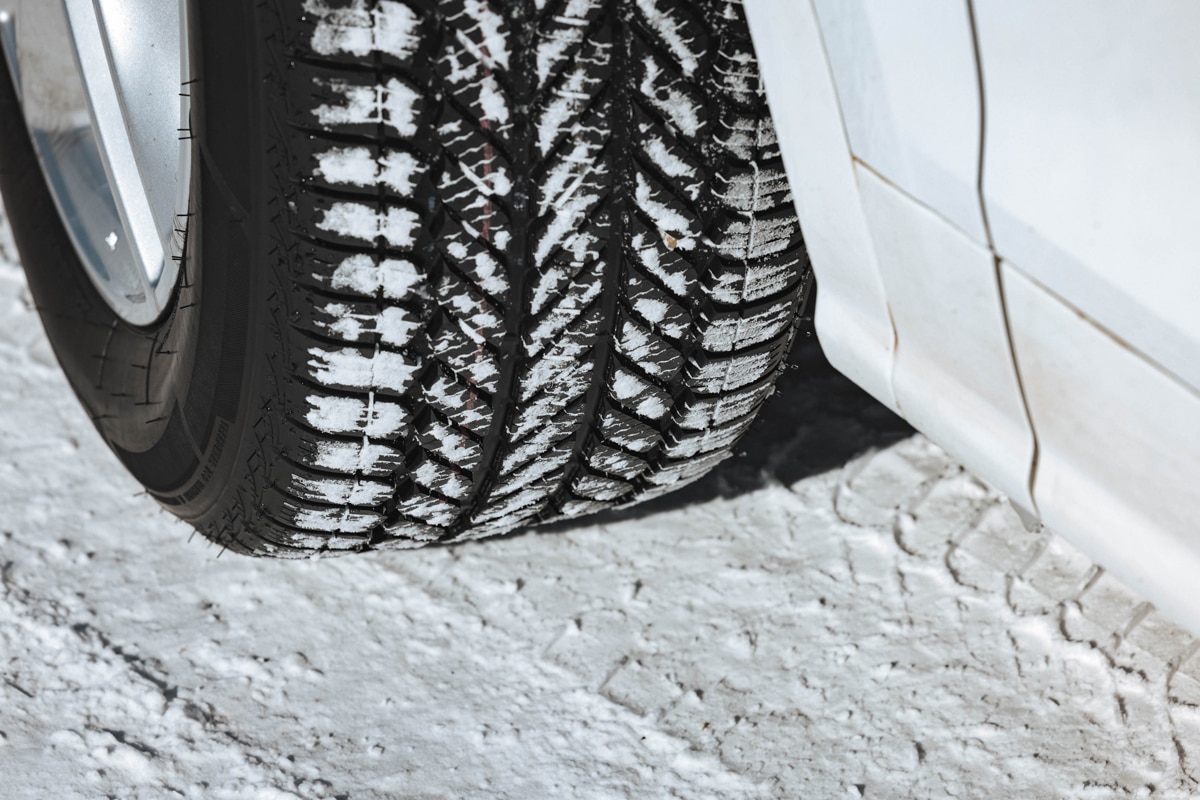
Winter tires take the opposite approach, featuring flexible compounds that remain pliable in freezing temperatures along with tread patterns designed to bite into snow, slush, and ice. When temperatures consistently drop below 45°F, winter tires begin to outperform summer tires significantly.
Most winter tires also carry the Three-Peak Mountain Snowflake (3PMSF) designation, meaning they have passed industry-standard testing for severe snow performance and provide a higher level of winter capability than a traditional all-season or all-weather tire. For more extreme winter or ice conditions, look for winter tires with the Ice Grip Symbol.
"A winter tire during the warmth of summer is quite compromised and because the wear rate goes up, you're just throwing dollars away," Woody said. "A dedicated winter tire is the best choice for when winter weather is at its worst. They're optimized for the cold of winter and the slush, snow, and ice that is encountered during winter."
Breaking Down The Data
Tire Rack's testing team wanted to quantify exactly how much of a difference those specialized compounds and tread designs make. The results weren't subtle.
Tire Rack's tests have repeatedly shown that cold temperatures alone can dramatically impact traction, even on dry pavement, which is why winter tires often deliver shorter stopping distances and better control long before snow begins to fall.
Dedicated winter tires stop more than 30 feet shorter on packed snow than the all-weather tire in braking tests, highlighting the advantage of a purpose-built winter compound.
Winter tires delivered significantly faster lap times on the snow handling course, demonstrating better acceleration, cornering grip, and overall vehicle control in winter conditions.
The Michelin CrossClimate2 was the top-performing all-weather tire, narrowing the gap considerably while still maintaining the year-round convenience that many drivers want.
Let's put this in real-world terms: the right set of tires can be the difference between a white-knuckle, near-accident and a confident stop with plenty of room to spare.
All-Weather Tires vs. Year-Round Winter Tires
If you live in an area that sees snow, ice, and freezing temperatures, you may be wondering whether an all-weather tire can replace a dedicated winter tire. The answer depends on where you live, how often you drive, and how much winter performance you expect from your tires.
If you live in an area that sees snow, ice, and freezing temperatures, you may be wondering whether an all-weather tire can replace a dedicated winter tire. The answer depends on where you live, how often you drive, and how much winter performance you expect from your tires.
Despite advances in tire technology, dedicated winter tires remain the benchmark for maximum cold-weather traction. Their specialized rubber compounds remain flexible even at freezing temperatures, providing exceptional grip on snow-covered roads, slush, and ice. If you regularly encounter winter storms, mountain passes, or extended periods of below-freezing weather, winter tires continue to offer the highest level of confidence and control.
All-Weather Tires: The Middle Ground
For years, drivers had to choose between the convenience of all-season tires and the cold-weather performance of winter tires. Today, all-weather tires provide a compelling middle ground.
Like winter tires, all-weather tires carry the Three-Peak Mountain Snowflake (3PMSF) designation, meaning they meet industry standards for severe snow service. Unlike winter tires, however, they are designed to remain on your vehicle year-round. That means no seasonal tire swaps, no storage concerns, and no need to maintain a second set of wheels.
"The jack of all trades tire is the all-weather tire," said Woody. "And that is a three-peak mountain snowflake marked touring all-season tire. It's good in both summer and winter, but if you aren't able to change, then the all-weather tire is really the best option."
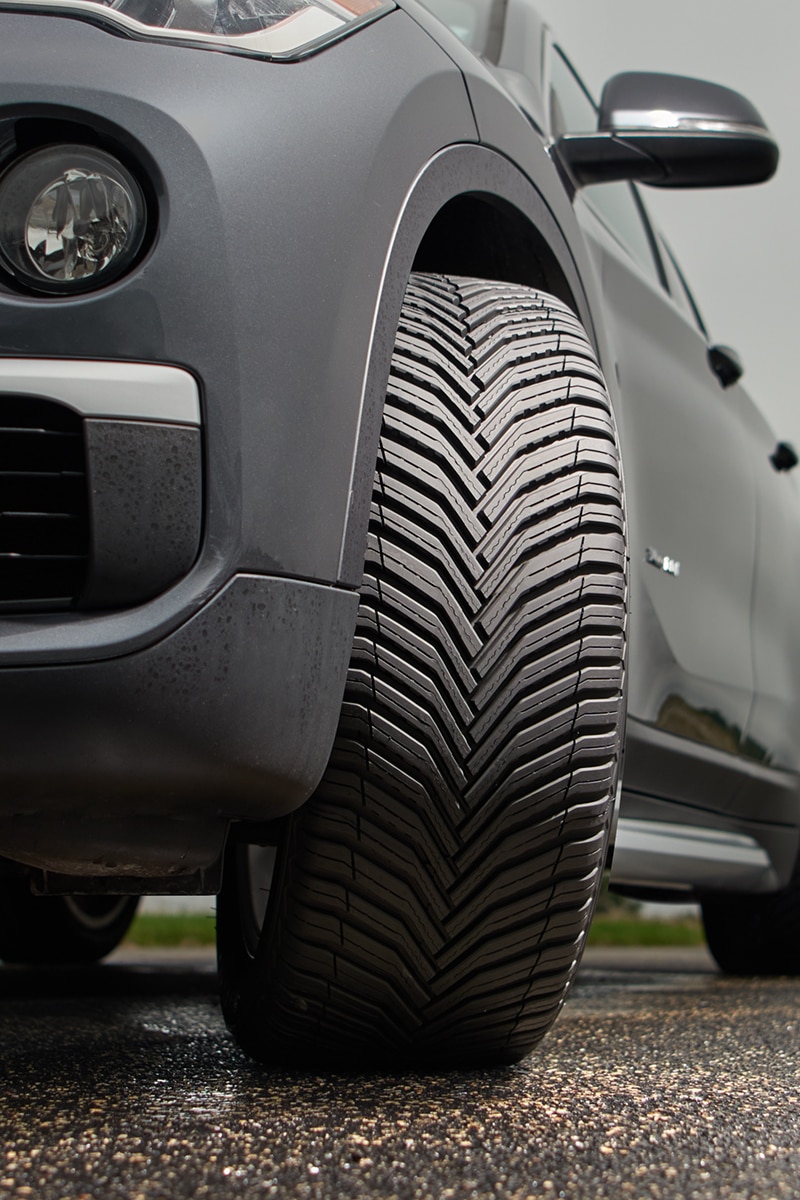
Tires such as the Michelin CrossClimate2 have helped make the category increasingly popular by delivering impressive snow traction while maintaining the wet-weather performance, ride comfort, and tread life drivers expect from a year-round tire.
Shopping for new all-weather tires? Tire Rack stocks a full offering of the tires you need to tackle everything from dry summer roads, wet spring conditions, and icy or snowy winter roads wherever you drive.
Our All-Weather vs. Winter Tires: The Definitive Test demonstrated that while dedicated winter tires still hold the advantage in deep snow, ice, and extreme winter conditions, today's all-weather tires are surprisingly capable when the weather turns ugly.
If you frequently encounter snowstorms, unplowed roads, or harsh winter conditions for several months each year, a dedicated winter tire remains the best option. For drivers who experience occasional snow, slush, and cold temperatures but want the convenience of a single set of year-round tires, an all-weather or all-season tire can offer an excellent balance of capability and practicality.
An All-Season Tire to Consider: Michelin CrossClimate2
If the idea of swapping between winter and summer tires every year sounds like a hassle, the Three-Peak Mountain Snowflake (3PMSF) rated Michelin CrossClimate2 deserves a spot on your shortlist. While it isn't a dedicated winter tire, it has earned a reputation as one of the most capable all-weather tires on the market, delivering impressive snow traction without the compromises of running winter tires year-round.
In Tire Rack testing, it has consistently demonstrated strong performance in snow and cold-weather conditions while maintaining the dry-road handling, wet-weather confidence, and tread life drivers expect from an all-season tire.
That's not to say it replaces a true winter tire. When roads are covered in packed snow or ice, dedicated winter tires still hold a meaningful advantage in braking, acceleration, and overall control. However, for drivers who experience occasional winter weather and want one tire that can stay on the vehicle all year, the CrossClimate2 offers one of the best balances of convenience, safety, and all-season versatility available today.
Need a year-round all-season tire with strong winter capability? Michelin's CrossClimate2 delivers confident performance across all four seasons and saves you time and money eliminating the need for seasonal tire changeovers.
Yes, you can use winter tires year-round, but it's generally not recommended. Winter tires use softer rubber compounds designed to remain flexible in cold temperatures, which causes them to wear more quickly in warm weather.
How long do winter tires last?
Most winter tires last between 20,000 and 40,000 miles, though actual tread life depends on driving habits, road conditions, and whether the tires are removed during warmer months.
Are all-weather tires better than winter tires?
Not necessarily. Dedicated winter tires still offer the best traction, braking, and control in deep snow, ice, and extreme cold.
Are all-weather tires better than all-season tires in snow?
Generally, yes. Most all-weather tires carry the Three-Peak Mountain Snowflake (3PMSF) designation and are designed to provide enhanced snow traction compared to traditional all-season tires.
Should I buy all-season, all-weather, or winter tires?
The right choice depends on your climate and driving habits. All-season tires work well for mild climates with occasional snow. All-weather tires are ideal for drivers who encounter regular winter weather but want one tire year-round. Winter tires remain the best option for frequent snowstorms, icy roads, and prolonged freezing temperatures.
What is the difference between all-season and all-weather tires?
All-season tires are designed to balance dry, wet, and light-snow performance throughout the year. All-weather tires build on that formula with additional winter capability and a Three-Peak Mountain Snowflake certification.
With over 10,000 approved and trusted installers across America, you’re in excellent hands.
World-Class Customer Care
Need help? You’ll reach a U.S.-based team whose expert guidance helps drive Tire Rack’s Net Promoter Score of 86.5*, well above the 80+ benchmark for “world‑class.”
*May 2026
Revolutionizing Tire Buying Since 1979
From our first location to launching nationwide mail order to creating TireRack.com, we believe in bringing you The Way Tire Buying Should Be.™
Independent Tire Testing Program
We test tires on the road and on our specially designed track to simulate real-world dry and wet conditions. Independent, unbiased results to help inform your choice.
Real Drivers. Real Miles. Real Talk.
Tire Rack verified customer reviews come backed by over 3.4 billion real-world miles.
Need help choosing the right products for your vehicle? Our US-based team of highly trained experts has the knowledge and passion to help. Just pick up the phone and give us a ring. Or let's chat via email. We love solving problems and lending a hand (or an ear).

 Orders